
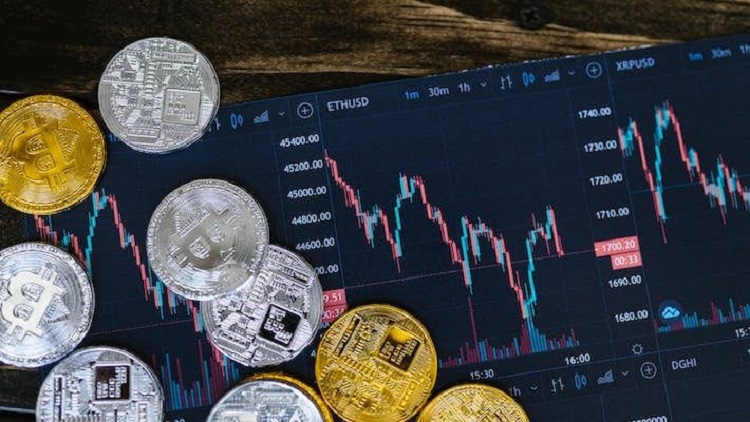

Not every moment is created equal in indices trading. The time of day or night that you choose to trade can significantly affect your outcomes. Liquidity, volatility, and momentum shift throughout the trading session, and knowing when to engage the market can be just as important as what strategy you use.
Why Timing Matters in Index Trading
Indices follow the performance of large groups of stocks, so their behavior is directly influenced by global equity market hours. When the markets tied to a particular index are open, that index tends to move more actively. For example, the DAX becomes livelier when European markets are open, while the S&P 500 reacts most during U.S. trading hours.
Outside these windows, volume can dry up, spreads may widen, and erratic price action becomes more common. For traders relying on technical setups, these low-volume periods can result in false signals or failed breakouts. This is one of the reasons why timing is particularly important when trading.
Understanding Overlapping Market Hours
One of the most important concepts in indices trading is overlapping sessions. These are periods when two major markets are open simultaneously, increasing global participation and often boosting price movement.
Key overlaps include:
- London and New York (1 PM to 4 PM GMT): This is often considered the most active time for global indices like the S&P 500, Dow Jones, and FTSE.
- Tokyo and London (7 AM to 9 AM GMT): Can affect indices such as the Nikkei and European benchmarks, though with slightly less volatility.
During these overlaps, traders benefit from tighter spreads, faster execution, and more reliable price patterns. This is when breakouts are more likely to follow through and reversals carry more weight.
Index-Specific Timing Considerations
Each index has its own rhythm. Here are a few examples:
- S&P 500 and NASDAQ: Most active during the first and last hour of the U.S. session.
- DAX and FTSE 100: Peak activity tends to occur shortly after the European open.
- Nikkei 225: Best traded during the Tokyo Stock Exchange hours.
Knowing when your chosen index typically generates volume can help you identify higher-probability trades and avoid getting trapped in sideways markets.
The Role of Economic News Releases
Time also ties directly into economic calendars. Important data such as GDP figures, employment numbers, and inflation readings can significantly move indices. These releases are often scheduled and well-anticipated, but they inject sharp volatility into the market.
Rather than trading blind, successful traders check the calendar and either plan their trades around these releases or wait for post-news stability before acting.
The best times to trade global indices are not random. They are defined by liquidity, regional market openings, and macroeconomic catalysts. Being in sync with these windows increases the efficiency of your strategy. Indices trading is not just about direction, it is also about timing. Choosing to trade when the market is most active can make your setups more effective and your risk more manageable. Understanding when to trade is a skill just as critical as knowing how.